Knock at the Door: What Really Happens Between Warehouse and Your Hallway
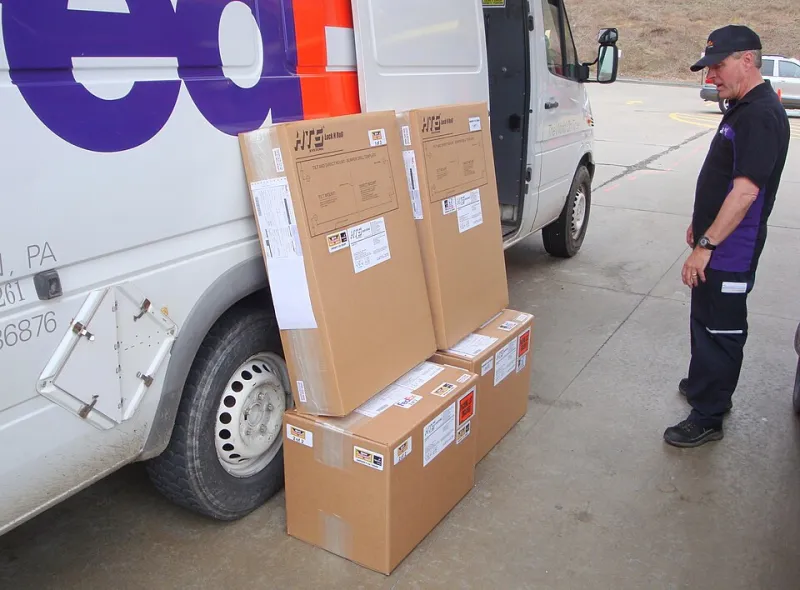
Photo: MobiusDaXter, CC BY-SA 3.0, via Wikimedia Commons
There's a peculiar nervousness that comes with ordering something as substantial as a mobility scooter online. You've compared models, checked measurements against your hallway, maybe even rung us twice to ask about turning circles. Then you click 'buy' — and suddenly you're staring at an email confirmation wondering what on earth happens next.
We get it. A scooter isn't a book or a pair of slippers. It's a weighty, valuable bit of kit, and how it arrives matters. So here's an honest walkthrough of the journey, from our warehouse shelves to your front room.
Before the Van Leaves: The Pre-Delivery Check
Every scooter that leaves us gets inspected before it's boxed. That means checking the battery connections are secure, the tiller locks properly, the tyres are inflated to spec, and the bodywork is free of scuffs. It's boxed with the seat and tiller typically detached — not because something's wrong, but because a scooter assembled in the box is far more likely to arrive damaged.
You'll usually get a call or text a day or two ahead to confirm the delivery date. If the timing's awkward — a hospital appointment, family visiting — this is your moment to say so. Delivery firms would much rather rearrange than have you struggle to answer the door.
Delivery Day: What to Expect at the Door
Most direct-to-door scooter deliveries in the UK use a two-person crew, and a good crew will do more than dump a box on the step. Typically you can expect:
- A knock and a bit of chat about where you'd like the boxes left
- The scooter brought inside to ground-floor level if you've arranged it — many crews will happily place it in your hallway or living room if access allows
- Packaging left with you, or taken away, depending on the service level
A word on kerb-side delivery: some couriers only deliver to your front door, not inside. Check the delivery terms before ordering, and if you know you can't manage a heavy box yourself, flag it when you book. It's far easier to arrange help in advance than on the day.
It's worth having a family member, neighbour or friend around if you can. Not essential, but two extra pairs of hands make unpacking far less stressful.
The Unboxing: Take Your Time
Resist the urge to tear into the box like it's Christmas morning. Instead:
- Photograph the packaging before opening. If there's a dent or tear on the box, a photo helps any insurance claim later.
- Check the contents against the manual's parts list. You should have the scooter chassis, seat, tiller (often pre-attached or partially attached), battery pack or batteries, charger, keys and a basket.
- Keep the box and foam for a fortnight. If anything needs returning, you'll be glad of it.
Look for obvious damage as you unpack — cracked plastics, bent tiller, loose wiring. Minor scuffs on the underside of the chassis from transit are normal; anything that affects function is not.
Assembly and First Charge
Most boot scooters and mid-size models go together in ten to fifteen minutes: drop the seat onto its post until it clicks, lock the tiller upright, connect the battery. No specialist tools needed. If anything doesn't click or slide the way the manual describes, stop and ring the retailer — forcing it is how things get broken.
Then comes the step most people get wrong: the first charge. Your batteries will arrive partially charged, and they need a full, uninterrupted charge before your first trip — usually 8 to 12 hours, ideally overnight. This first charge helps condition the batteries and sets you up for proper range from day one. Read the charger's little light, not the clock: red or amber means charging, green means done.
If Something's Not Right
Occasionally things go astray — a cracked panel, a missing key, a charger that's walked off in the warehouse. Here's the sensible sequence:
- Report within 48 hours. Every retailer has a damage window; missing it can complicate your claim.
- Send photos. A picture of the damage and the packaging tells us most of what we need to know.
- Don't attempt repairs yourself on a damaged scooter, even small ones — it can affect your warranty.
A reputable direct seller will arrange a replacement part or a collection without fuss. If a retailer makes that process feel like pulling teeth, that tells you something about who you're buying from.
The First Ride
Once charged, start slow. Find a flat, quiet stretch — an empty car park on a Sunday morning is ideal — and practise speed settings, braking and getting on and off. Get comfortable before you attempt a pavement with a camber or a busy supermarket entrance.
And that's really it. Delivery day shouldn't be a mystery or a worry — it's the start of something good. Ask questions before you order, take your time when the van arrives, and before the week's out you'll wonder how you managed without it.