Don't Let the Frost Win: A No-Nonsense Guide to Winterising Your Mobility Scooter
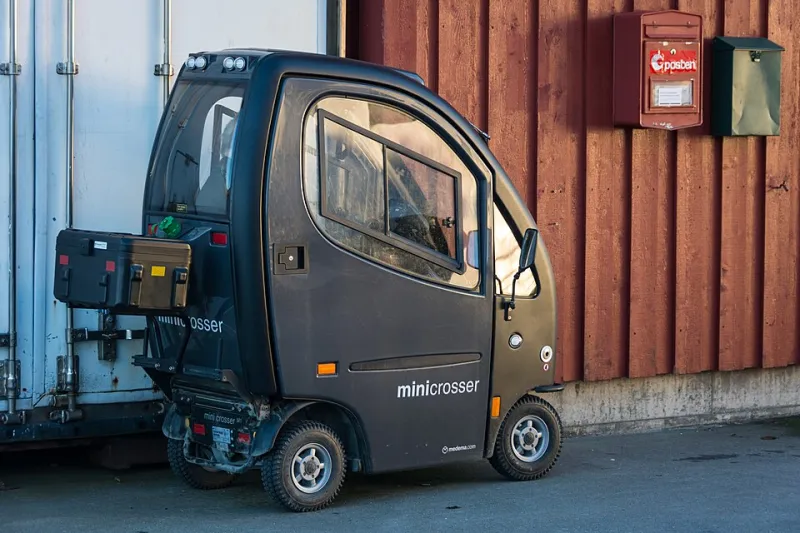
Photo: Gordon Leggett, CC BY-SA 4.0, via Wikimedia Commons
British winters are unkind to machinery. Salt on the pavements, damp that seeps into everything, and temperatures that make batteries sulk — it all adds up. The good news? A mobility scooter that's properly prepared in autumn will usually sail through to spring without drama. Here's how to go about it.
Why Winter Is Tough on Scooters
The two biggest culprits are moisture and cold. Water finds its way into connectors, switches and bearings, while temperatures below about 5°C noticeably reduce how much charge a battery can hold. Add gritting salt — brilliant for safety, terrible for metalwork — and you've got a proper test for any scooter.
None of this means you should hide the scooter away until March. Most people rely on theirs for shopping, appointments and a bit of independence, so the aim is simply to protect it while still using it.
Battery Care: The Cold Weather Essentials
Batteries are the heart of your scooter and the component winter hits hardest.
- Charge after every trip, even short ones. Cold weather drains capacity faster, and letting batteries sit half-empty shortens their lifespan.
- Charge indoors if you can. A garage or hallway is ideal. Batteries hate freezing conditions, and charging a frozen battery can cause permanent damage.
- Don't leave it unplugged for weeks. If the scooter sits idle over Christmas, put it on charge at least once a fortnight.
- Expect shorter range. If you normally manage 12 miles, assume 8 or 9 in January. Plan trips accordingly rather than getting caught short.
If your batteries are more than three or four years old and struggling already, winter is the worst time to discover it. Getting them tested or replaced before the cold sets in is money well spent.
Keeping the Wet and Salt Out
Moisture is a slow, sneaky problem. A few habits make a real difference:
- Wipe the scooter down after wet trips, paying attention to the tiller, seat post and any exposed metal.
- Avoid deep puddles where you can. Water above the axle height can reach motors and electrics that were never meant for a soaking.
- Rinse off salt — a damp cloth over the wheel arches and frame after icy spells stops corrosion taking hold.
- Use a cover outdoors. A breathable, purpose-made scooter cover beats a bin bag or tarpaulin, which trap condensation against the frame.
- Never store a wet scooter under a cover — dry it first, or you're basically wrapping it in a humidity box.
Tyres, Grip and Icy Pavements
Pneumatic tyres grip better than solid ones but can lose pressure in cold weather, so check them fortnightly. Lower pressure means less grip and harder steering, not more.
On ice itself, honesty is the best policy: no mobility scooter is safe on genuinely icy ground. Our advice is to wait until pavements have been gritted, stick to treated main routes, and keep trips short on the worst days. If you're out in poor light, make sure your lights work and consider a hi-vis panel or reflective strips on the rear — being seen matters as much as grip.
Storage in Smaller Homes
Not everyone has a garage, and that's fine. What matters most is staying dry and off freezing external walls.
- A hallway or spare room corner works well — just put a mat or old towel underneath to protect the carpet and catch drips.
- Shed and garage storage is fine if it's dry; a breeze-block outhouse that gets damp is not.
- Keep the charger with the scooter and plug in regularly, wherever it lives.
Your Pre-Winter Checklist
Print this off and run through it in October:
- Test batteries on a full charge — note the range
- Check tyre pressure and tread
- Test lights, indicators and horn
- Check the brake freewheel lever engages and releases properly
- Wipe down the frame and inspect for rust spots
- Check the seat and armrest bolts are tight
- Buy or inspect your waterproof cover
- Confirm your charger works and the cable isn't frayed
- Book a service if anything seems off
Which Winter Accessories Are Actually Worth Buying?
There's a lot of kit out there, and some of it is gimmicky. Genuinely useful items:
- A fitted waterproof cover — the single best purchase
- A tiller bag or bar mitts — cold hands are miserable and affect control
- A cape or scooter-specific waterproof for the rider, better than an umbrella in any wind
- Reflective strips or a light upgrade for dark afternoons
Skip anything claiming to make tyres ice-proof. It doesn't exist.
A Final Word
Winter-proofing takes an hour or two in autumn and saves you a breakdown in February. If you're unsure about battery health or anything electrical, pop into your local dealer — at Scooters Direct we're always happy to run a quick check and give honest advice, whether you bought from us or not. Stay warm, stay charged, and don't let a bit of weather keep you indoors.