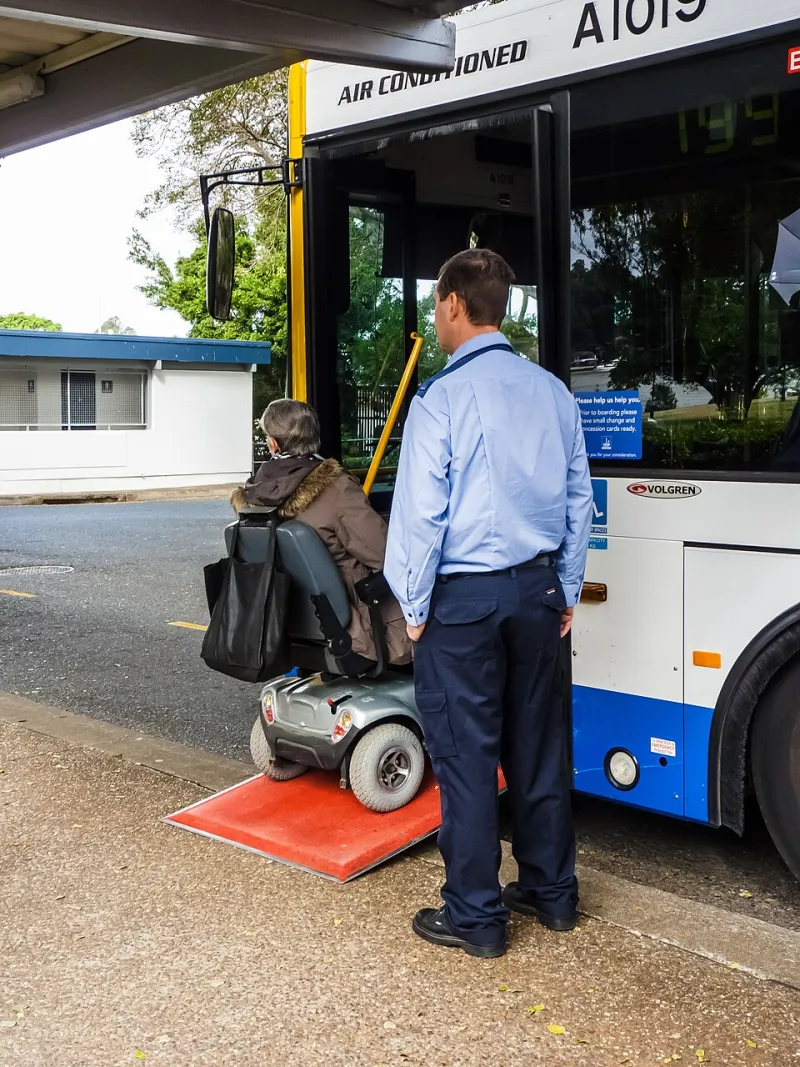
Bought Online, Stranded Offline? Your Guide to Finding a Repairer You Can Actually Trust
Photo: U.S. Army 310ESC by Capt. Robert Wooldridge, Public domain, via Wikimedia Commons
Buying a scooter online or direct from a supplier is a brilliant way to save money. The trouble comes eighteen months down the line, when the throttle starts playing up and the retailer you bought from is a website and a warehouse, not a shop on your high street.
The good news? There's a whole network of engineers, mobile fitters and independent workshops across the UK who'll happily look after a scooter they didn't sell you. You just need to know how to find them — and how to spot the ones who'll charge you for a fuse replacement and bill you for a full rewiring job.
Start With the Warranty, Not the Workshop
Before you go hunting for a repairer, dig out your paperwork. Most new scooters come with a manufacturer's warranty — typically one to two years on parts, with batteries often covered for twelve months only. Some warranties insist that any work is carried out by an approved engineer, and if you let your nephew have a go with a spanner, you could wave goodbye to your cover.
Ring the manufacturer's customer service line (not the retailer's) and ask two questions: is the fault covered, and can they send an engineer to your home? Many big brands — think Pride, TGA, Invacare — have networks of approved engineers who'll come to you. It might be a call-out fee of £50–£80, but if the part's covered, that's often all you'll pay.
When the Warranty's Run Out: Your Three Options
Once you're past the warranty, you've got three realistic routes, and each has its place.
Independent mobility engineers. Every decent-sized town has at least one. These are often one-person operations — ex-dealer technicians who've gone it alone — and they're frequently the most honest and best-value option going. They don't have showroom overheads, so their labour rates tend to be sensible.
Mobile repair services. Some companies operate vans covering whole regions, doing everything from tyre changes to controller diagnostics on your driveway. Brilliant if getting to a workshop is impossible — which, let's face it, is often the whole point of owning a scooter.
General electrical or wheelchair repair shops. Don't overlook them. A local electrician with the right test kit can diagnose battery and wiring faults, and wheelchair specialists often cross over into scooters.
What Should You Actually Be Paying?
Let's talk numbers, because this is where people get fleeced. As a rough guide for 2024:
- Call-out fee: £40–£75 depending on distance
- Hourly labour: £45–£70 is fair in most of the UK; expect the upper end around London and the South East
- New battery pack: £150–£300 fitted, depending on size
- Puncture repair or tyre swap: £30–£60
Red flags? Quotes given over the phone without seeing the scooter, pressure to replace "the whole control system" when a loose connector might be the culprit, and invoices that don't itemise parts from labour. A decent engineer will diagnose first, quote second, and never mind you asking what the part cost them.
One more tip: batteries are the most common fault and the most commonly overcharged fix. If someone tells you your batteries are dead, ask them to show you the voltage readings. A £20 multimeter test takes two minutes, and an honest engineer will happily do it in front of you.
Five Questions to Ask Before You Hand Over the Keys
- What's your call-out charge, and is it deducted from the repair if I go ahead?
- Are your parts new or refurbished — and what warranty comes with them? (Reconditioned parts are fine, and cheaper; you just deserve to know.)
- Can you give me a written quote before starting work?
- Are you insured to work on my scooter? Any reputable trader carries public liability cover.
- Do you offer a guarantee on the repair itself? Six months on labour is a reasonable expectation.
If someone bristles at these questions, walk away. The good ones expect them.
How to Find the Good Ones
Word of mouth beats everything. Ask at your local Age UK branch, your GP's receptionist, or the other scooter owners you'll spot at the garden centre — mobility folk are a chatty bunch and will happily name the engineer they swear by.
Online, check the trader's reviews on Google and Trustpilot, and look for membership of trade bodies like the British Healthcare Trades Association (BHTA), whose members sign up to a code of practice. The Motor Ombudsman won't cover scooters, but Consumer Rights Act protections apply to any repair service: work must be done with reasonable care and skill, and you have the right to challenge shoddy jobs.
A Last Word for Direct Buyers
If you bought direct from us or another online retailer, don't assume you're on your own after the warranty. Reputable direct sellers keep lists of approved engineers in different regions — it's worth an email before you start cold-calling strangers.
And once you've found an engineer you trust, stick with them. Get them to do the annual service, keep the receipts, and you'll have a scooter that lasts a decade rather than five years — and a phone number worth its weight in gold when something goes ping at 7am on a Sunday.