Flat Doorstep, Full Independence: A Practical Guide to Scooter Ramps and Home Access
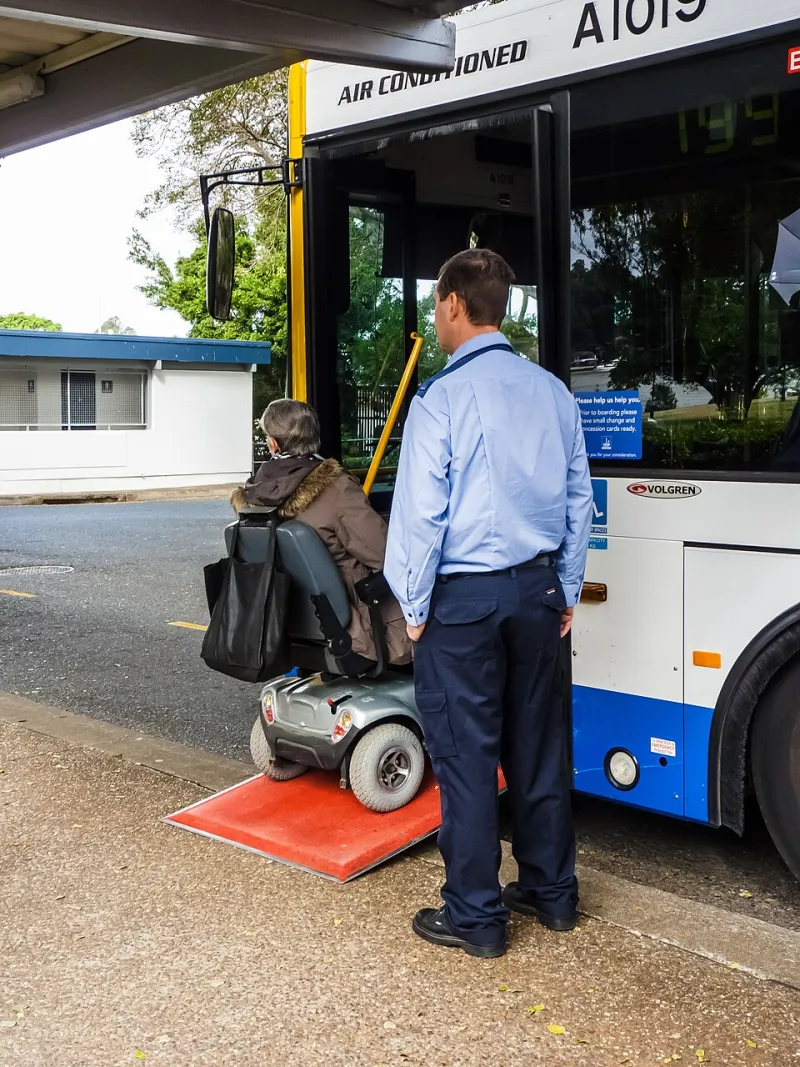
Photo: John Robert McPherson, CC BY-SA 4.0, via Wikimedia Commons
There's a moment every scooter owner dreads: you're sat outside your own front door, scooter humming happily, and the two-inch lip of the threshold might as well be Ben Nevis. Access is the bit nobody thinks about until they've bought the scooter — and it's the bit that can make or break your independence.
So let's talk ramps. Properly, with actual numbers.
The Gradient Rule That Keeps You Upright
Here's the maths that matters. The recommended maximum gradient for a mobility scooter ramp is 1:12 — that's one inch of rise for every twelve inches of length. So a six-inch doorstep needs a ramp at least six feet (roughly 1.8 metres) long.
In practice, many people go steeper and get away with it. Until they don't. A steep ramp plus a wet British morning plus a heavy pavement scooter is how wrists get broken. If your rise is more than about eight inches, seriously consider a ramp with a mid-platform turn, or speak to a professional about a fitted solution.
Also worth knowing: most portable ramps have weight limits between 200kg and 350kg. That's the combined weight of you, the scooter and anything you're carrying back from the shops. Check it, don't guess it.
Your Options, From Cheap to Cheerful
Threshold ramps (£30–£120). For lips and small steps up to about 10cm, these rubber or aluminium wedges are brilliant. They sit permanently, weigh little, and need zero DIY skill. Measure your door width first — most are around 70cm, which suits most doorways but not all.
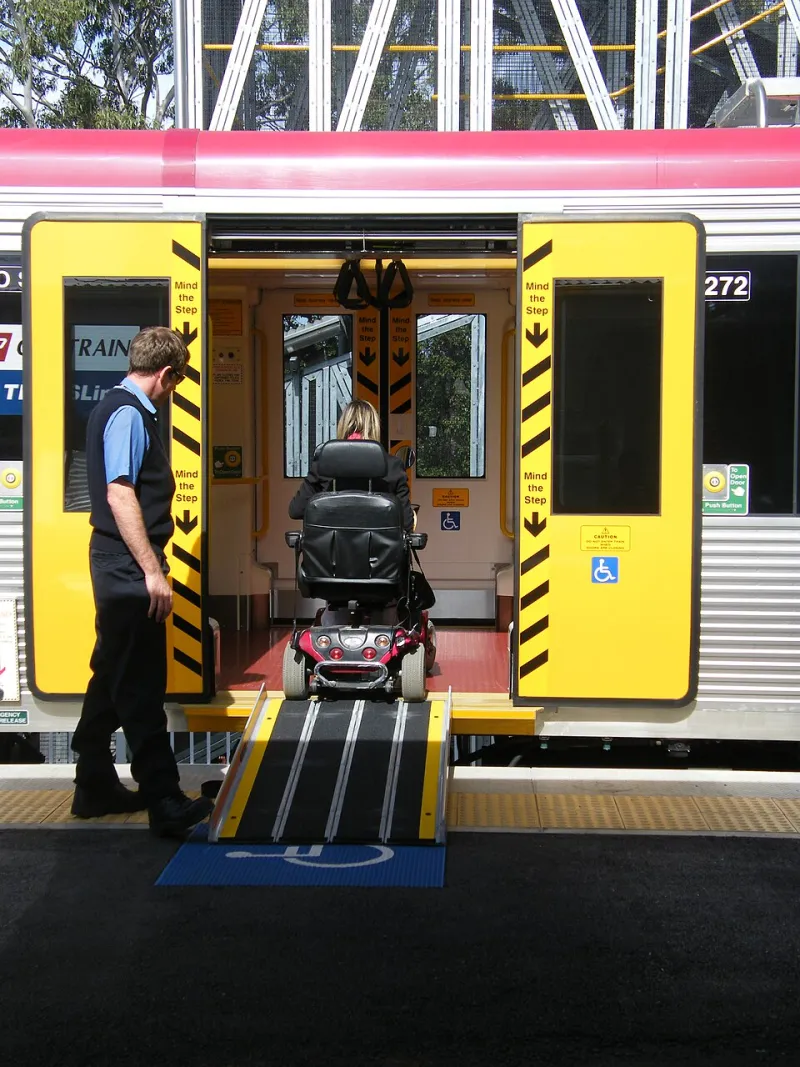
Folding portable ramps (£80–£300). These are the car-boot-and-holiday workhorses. A 6ft folding aluminium ramp will handle most single steps and tucks away when not needed. The catch: you have to lift it into place, so if lifting is the problem, this isn't your answer.
Modular and fitted ramps (£400–£2,500+). Properly engineered, professionally installed, often with handrails and a non-slip surface. Overkill for a bungalow with a level entrance, spot-on for a Victorian terrace with three steps and a rail to negotiate.
Through-threshold and porch modifications. Sometimes the answer isn't a ramp at all — it's widening a door, levelling a threshold or adding a covered area so the ramp isn't a skating rink in February.
DIY or Pay Someone?
A confident DIYer with a drill can fit a small fixed ramp kit for £150–£400 in materials. But there are genuine reasons to pay a professional:
- They'll get the gradient and drainage right
- Work on shared access or listed buildings often needs permission
- A botched DIY ramp can be an insurance liability if someone else uses it
- Fitted ramps from reputable installers come with guarantees
Our honest take: if it's a single threshold, DIY away. If it involves steps, rails or concrete, get quotes. Three of them, ideally.
The Disabled Facilities Grant: Money You Might Be Entitled To
Here's the bit most people miss. Your local council may fund home access adaptations — including ramps — through the Disabled Facilities Grant (DFG), worth up to £30,000 in England (figures differ slightly in Scotland, Wales and Northern Ireland).
The process: contact your council's occupational therapy team, request an assessment, and if they agree the work is necessary and appropriate, the grant is means-tested (for most adults) and paid directly to the contractor. You usually apply before starting work, so don't rip up the front path in enthusiasm first.
Even if you don't qualify on means, some councils offer discretionary top-ups or low-cost loans. A phone call costs nothing.
Quick Pre-Purchase Checklist
- Measure the rise, then multiply by twelve. That's your minimum ramp length.
- Check the combined weight limit (you + scooter + shopping).
- Measure your doorway — the ramp needs to clear it.
- Consider drainage and winter grip.
- Ring your council about a DFG before spending big.
- If a portable ramp needs lifting, ask yourself honestly whether that's realistic.
Get the access right and the scooter stops being a machine and starts being a freedom. Get it wrong and it becomes a very expensive ornament in the hallway. Measure twice, buy once — and if in doubt, give us a ring. We've talked a lot of people off terrible ramp purchases, and we're happy to talk you off one too.