Nobody Bats an Eyelid at a Second-Hand Ford: Time We Grew Up About Used Mobility Scooters
Photo: Shixart1985, CC BY 2.0, via Wikimedia Commons
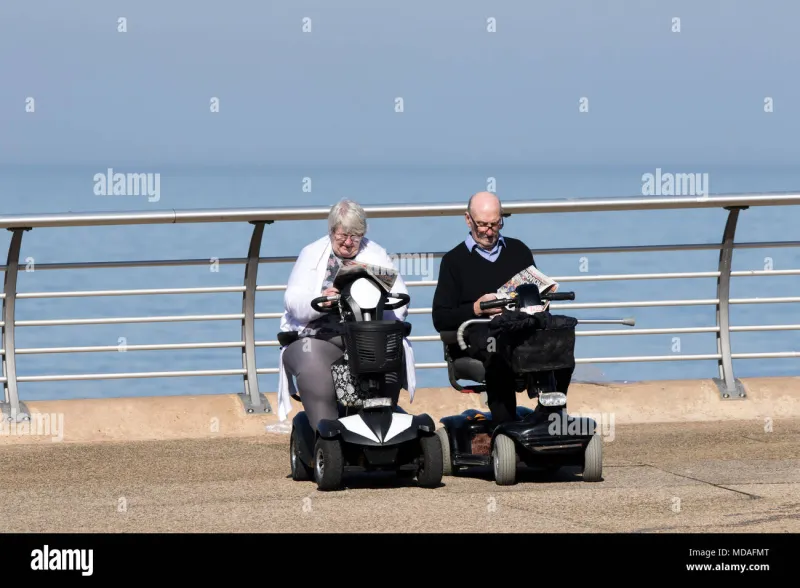
There's a peculiar silence that falls over the mobility scooter conversation when the word 'second-hand' enters it. Mention you've bought a used Vauxhall and your neighbours congratulate you on your shrewdness. Mention you've bought a used scooter and you get a look somewhere between sympathy and suspicion.
We think that's bonkers. And frankly, it's costing people money they can't afford to lose.
The Double Standard Nobody Talks About
Think about how normalised second-hand is everywhere else in British life. Nearly half the cars sold each year are used. We queue at car boot sales from Berwick to Brighton. There's a whole television programme devoted to people haggling over antique furniture. Yet mobility equipment — often costing well over £1,000 new — is treated as somehow 'contaminated' once it's had a previous owner.
Part of this is emotional. A scooter isn't just transport; for many people it's the difference between isolation and independence. Buying one can feel like admitting something about your health, and buying a used one can feel like admitting you're cutting corners on your own dignity.
But that framing is backwards. Choosing a quality pre-owned scooter is exactly the same calculation as choosing a used car: you're rejecting the depreciation hit, not the independence.
What Dealers Actually See
Talk to anyone in the trade and they'll tell you the used market is booming — quietly. Trade-ins come in when customers upgrade to a heavier-duty model, when a household downsizes, or, sadly, when equipment is inherited. Much of it is barely worn. Batteries get replaced, machines get serviced, and suddenly there's a perfectly good scooter available at half the showroom price.
The dealers we speak to say the stigma mostly comes from families, not the riders themselves. Adult children worry a second-hand purchase looks like neglect, or fear hidden faults. That's a fair instinct — which is why buying from a reputable dealer with a service history beats a mystery listing on a classifieds site every time.
Real Buyers, Real Savings
Consider the pattern we hear again and again:
- Margaret, 74, Leeds — bought a two-year-old boot scooter from a dealer trade-in for £495 instead of £1,100. Used the savings for a service plan and a weather cover.
- Ken, 81, Norfolk — upgraded to a road-legal class 3 model and sold his old pavement scooter privately within a fortnight. The buyer? A retired postman who'd been quoted more than double elsewhere.
Neither of them felt short-changed. Both felt sensible.
What a Good Used Purchase Looks Like
If you're considering the pre-owned route, a few basics will protect you:
- Batteries first. They're the most expensive component to replace. Ask when they were last renewed and expect £150+ if the answer is 'dunno'.
- Buy from a dealer where you can. A warranty, even a short one, and a service record are worth more than the last £50 of a private haggle.
- Test it properly. Not round the shop — round the block. Hills, kerbs, a full turn. Take the grandkids along; they'll spot what you miss.
- Check the frame and seat. Cracks, welds and sagging upholstery tell you how the machine was actually treated.
A Market That Should Serve, Not Shame
Here's the thing: the average new state pension doesn't stretch to a top-of-the-range scooter, and waiting lists for NHS-provided equipment can be dispiritingly long. A healthy, transparent second-hand market — with serviced machines, honest descriptions and fair warranties — is arguably the single best thing that could happen for mobility-impaired buyers on tight budgets.
So let's retire the embarrassment. Nobody apologises for driving a used Fiesta. Nobody whispers about a refurbished washing machine. Your scooter choice deserves the same common-sense treatment — and your bank balance will thank you for it.